Who takes care of the people who take care of our children?
It’s a question we don’t often ask.
But communities don’t thrive by chance, they thrive because people show up for one another…
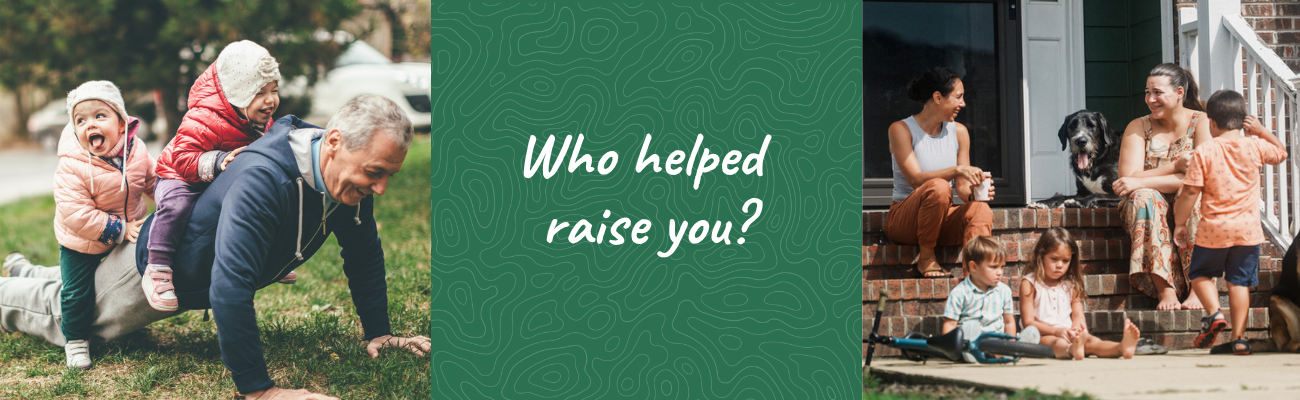
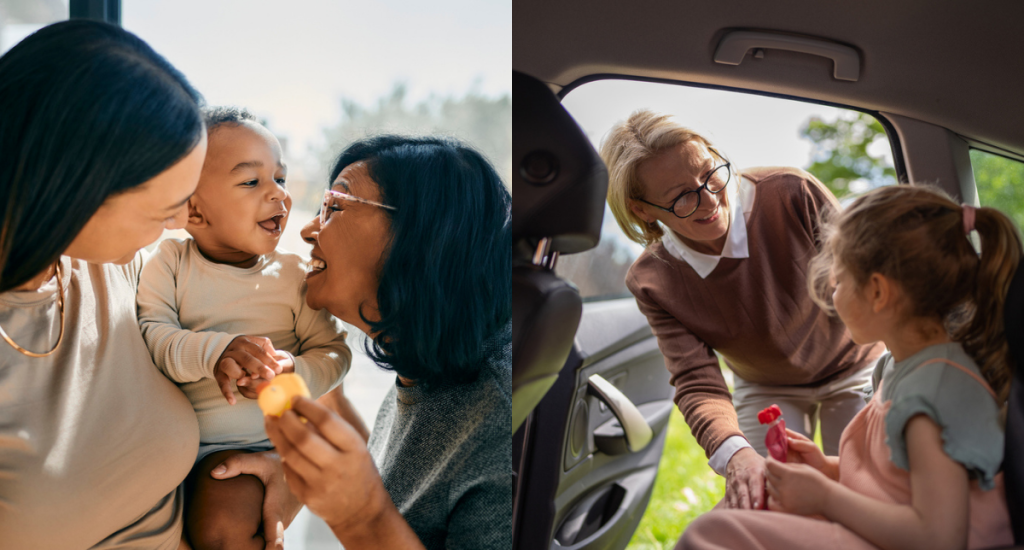
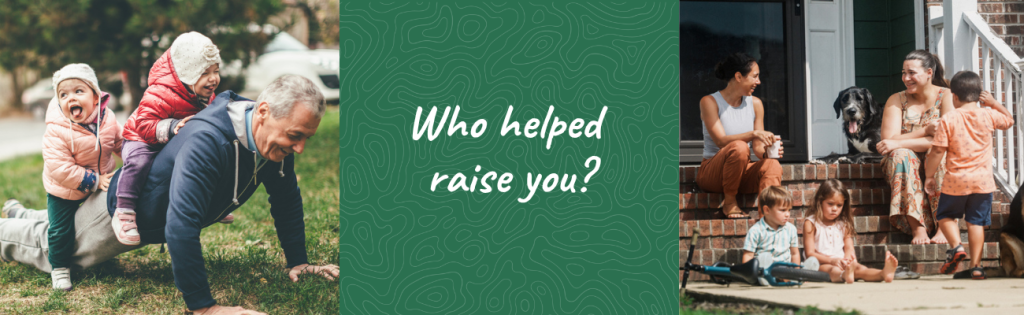
It’s the person reading one more bedtime story before mom gets home from work. The neighbor who watches children after school. The grandparent who says yes without hesitation, an older sibling making breakfast before school, relatives, a trusted neighbor watching children after work, or a family friend stepping in when schedules become overwhelming outside the formal child care system.
It begins with someone who says, “I’ve got them.”
It is the licensed provider who opens the doors before sunrise.
Every day across Northwest Minnesota, hundreds of caregivers make it possible for parents to work, pursue an education, care for loved ones, and build better futures for their families.
Across Northwest Minnesota, these everyday acts of care form an invisible network that keeps families working, children safe, and communities moving forward. These caregivers may look different, but together they make up the child care system that families rely on every day across northwest Minnesota.
Together, these caregivers form an essential network of support for families. Yet many of them are disconnected from resources, training opportunities, and support systems that could make their work easier and strengthen the care they provide.
That is where Mahube-OTWA Community Action Agency is making a difference.
Through a contract supported by DEED Special Appropriation funding and administered by Northwest Minnesota Foundation, Mahube-OTWA is helping connect caregivers, child care providers, and families with the tools, resources, and relationships they need to thrive.

Meeting caregivers where they are
One of the ways Mahube-OTWA does this is through its Family, Friend, and Neighbor (FFN) Program, which supports caregivers who may not see themselves as part of the formal child care system but play an important role in raising children.
At the Murdered and Missing Indigenous Peoples (MMIP) Awareness Day event in Mahnomen, FFN staff met families where they already were. Rather than asking caregivers to seek out services, the program brought information, resources, and support directly into a community gathering space.
Throughout the event, approximately 150 culturally relevant books, coloring books, and crayons were distributed to children and families. More importantly, conversations began.
Many attendees were surprised to learn that FFN support services are available without income restrictions. By the end of the event, approximately 20 individuals had requested additional information about available resources.
“We want families and caregivers to know they don’t have to navigate things alone. Often, the first step is helping people understand what resources exist,” said Dana Patsie, Director of Child Care Programs at Mahube-OTWA.
For many families, support starts with awareness. Before someone can access a resource, they need to know it exists.
Building connections for providers
Mahube-OTWA’s work also extends to licensed child care providers and those working toward licensure.
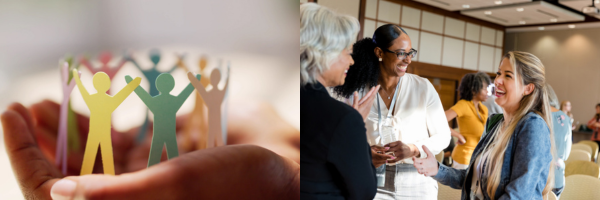
Later in the year, the organization hosted a Networking, Resource, and Training Event designed to bring providers together, strengthen professional connections, and share practical tools they could use in their programs.
The response highlighted just how valuable those opportunities are. Invitations were sent to 172 programs throughout the region, and the event quickly reached capacity.
Providers participated in training focused on social-emotional development and received hands-on resources to support children’s emotional growth, including sensory materials, calming corner tools, emotion finger puppets, and visual supports.
Yet the most valuable resource may have been the opportunity to connect with one another. Child care can be rewarding work, but it can also feel isolating. Bringing providers together created space for learning, encouragement, and the exchange of ideas.
“Child care providers spend so much time caring for others that they don’t always have opportunities to connect with peers. Bringing people together creates space to share ideas, and remember that they’re part of a larger community,” said Katie Gunderson, Child Care Program Officer, NMF.
Feedback from attendees showed increased confidence, high satisfaction with the training, and appreciation for the opportunity to build relationships with peers facing similar challenges.
Stronger connections, stronger communities
At first glance, handing out books at a community event and hosting a provider training may seem like very different activities.
In reality, they are part of the same goal: strengthening the network behind child care.
Whether it is a grandparent caring for grandchildren, a licensed provider managing a growing program, or a family searching for support, each connection helps build a stronger system of care for children.
Through partnerships like this one, NMF helps support organizations that understand local needs and know how to reach people where they are.
Because strong child care systems are built one relationship at a time, and when caregivers feel connected, supported, and equipped to succeed, children, families, and communities all benefit.
“Strong child care systems aren’t built by one organization or one program. They’re built through communities that invest in the people caring for children every day,” Gunderson said.